 |
 |
 |
 |
 |
 |
 |
 |
 |
|||
 |
 |
|
|||||||
 |
|||||||
 |
|||||||
 |
|||||||
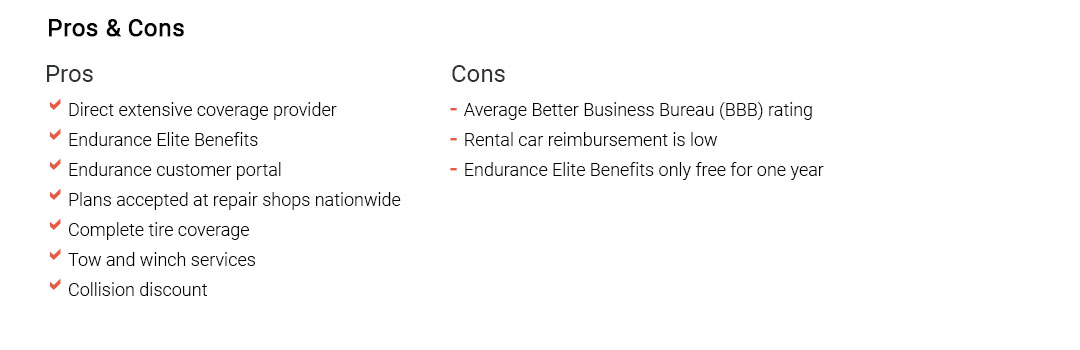 |
|||||||
|
|||||||
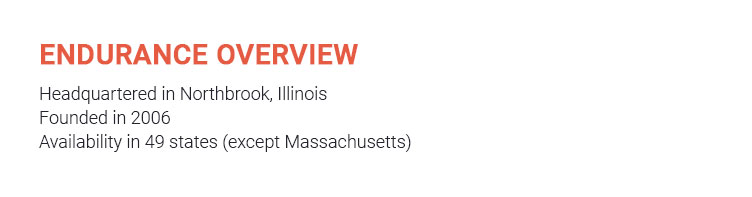





|
||||||
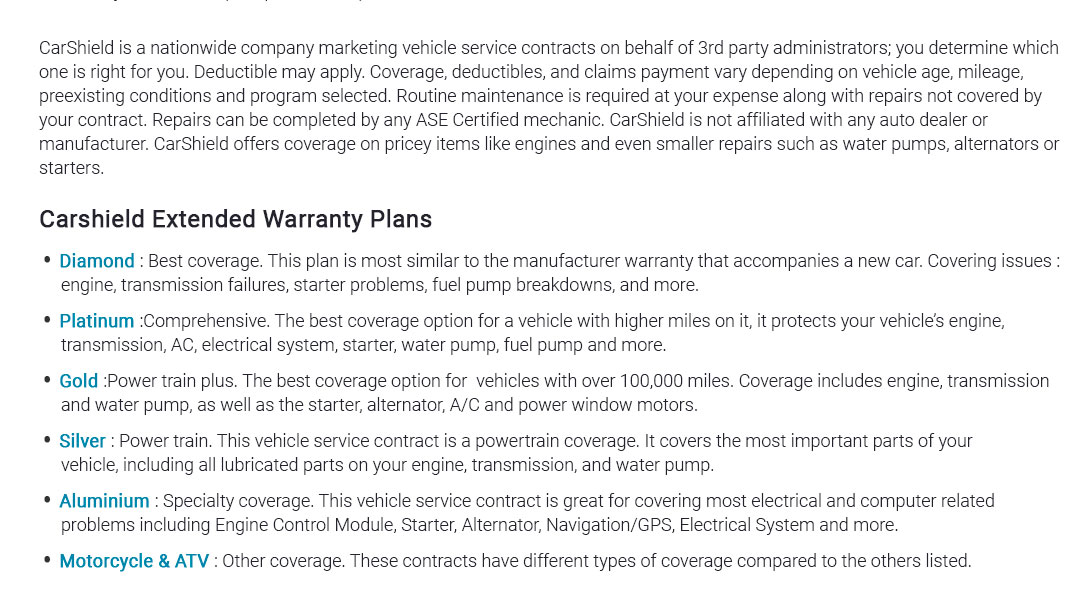 |
||||||
 |
||||||
 |
||||||
|






 |
 |
 |
 |
 |
 |
 |
cheap extended warranty that respects your prioritiesThink big picture: a warranty is a small hedge that trades a known cost for fewer surprises. Not magic, just a contract. The clearer it is, the better it works for you. Keep it simple; protect what matters; skip the rest. What does "cheap" really buy?Price alone doesn't tell you value. A low cost plan can be efficient if it covers the right failures for long enough with low friction. Cheap shouldn't mean flimsy; it should mean focused.
Long-term view: total cost of ownershipImagine a $700 laptop and a $60 plan that extends protection through year three. If a failure then would blow up your month's budget, the swap from uncertain risk to a tiny predictable fee can be rational. If you hold a healthy emergency fund, self-insuring may be cleaner. A brief moment from real lifeI added a $79 plan to a mid-range washer. Month 26, the drain pump died. One call, a tech visit, no out-of-pocket. The best part wasn't the money saved; it was not losing a weekend to troubleshooting. Predictability has a quiet payoff: time. Simplicity firstPrefer plans you can explain in one sentence: "Covers parts and labor for three years, $0 deductible, online claim under five minutes, capped at purchase price." Simplicity creates confidence; clarity reduces regret.
Priority over perfectionCoverage doesn't have to be comprehensive; it has to be right-sized. Choose protection where a breakdown derails your plans. For everything else, accept small risks and keep moving. Signals of a solid low-cost plan
Where a cheap extended warranty makes senseUse it where labor is expensive, downtime hurts, or parts are scarce. Skip it when replacement is trivial.
Reframing the decisionYou're not only buying coverage; you're buying predictability. Another angle: exchanging a small known payment for a cap on chaos. That trade is valuable only where disruption would be costly. Keep it minimalOne note in your phone with receipts, policy numbers, and end dates. Set a renewal reminder. Fewer policies, better fit. Quick checklist
Choose a cheap extended warranty only where it simplifies life. Default to no; say yes when the edge is obvious. Prioritize what matters, then get back to living.
Main Topic:
Extended Warranty Cost
https://wallethub.com/edu/ci/best-car-extended-warranty/11157
Unlike other extended car warranty providers, CarShield offers month-to-month extended warranty coverage for as little as $99 per month. However, drivers should ... https://www.automoblog.com/reviews/auto-warranty/cheap-car-warranty/
Cheap Car Warranty Companies - Endurance: Best Value Extended Car Warranty - autopom!: Cheap Extended Warranty With The Best Claims Process.
|
